AI Brain for Commerce

Bustly vs Codex

Is Bustly a better fit than Codex for ecommerce?

Codex is built around software development and can extend its work through tools and Skills. Bustly starts with ecommerce expertise, prepared operating methods and permissions for the business accounts your team uses.

Bustly
Bustly
Codex
Codex

Software engineering agents vs. DTC operating experts

Codex

An agent for software development

Codex works with codebases, terminals, development environments and connected tools. It helps implement features, review changes, debug problems and test software, including custom commerce tools.

  • Implement and review code changes
  • Debug and test software behavior
  • Build custom tools and integrations

Bustly

AI experts for ecommerce operations

Bustly packages professional judgment and repeatable methods for commerce teams. Experts work with authorized applications, while business groups, permissions and execution records help teams manage operating work.

  • Experts defined by operating responsibilities
  • Prepared ecommerce Skills
  • Scoped account actions and execution records

Why Bustly is different

The starting point is an operating role, with the methods and access that role needs.

Commerce judgment comes first

Codex focuses on reasoning about code and development work. Bustly organizes its experts around customer acquisition, product launches, customer retention and research.

Use operating methods without building them

Codex can use custom Skills. Bustly includes ecommerce methods that specify the business inputs, working steps and required checks.

Business accounts have their own access scope

Repository and execution controls serve software work. Bustly manages application resources by business group and member access.

Review the work at the task level

Alongside the delivery, authorized reviewers can inspect agent runs and the actions recorded in their task context.

Where Bustly does more for DTC

01 · DTC experts

Experts organized around ecommerce responsibilities.

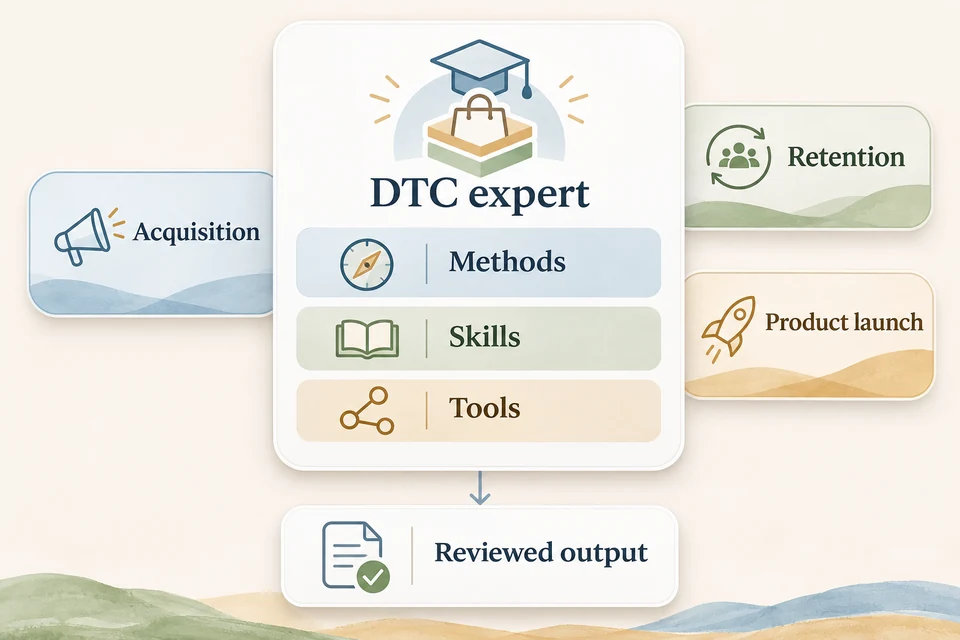
Bustly’s experts bring the judgment framework for their operating role: customer acquisition, product launch, customer retention or research. They choose the relevant methods and tools for a business goal. The team can work in the language of products, customers and markets without first turning the request into a software specification.

A DTC expert combines professional methods, Skills and authorized tools

02 · Prebuilt Skills

Prepared commerce Skills, ready for business inputs.

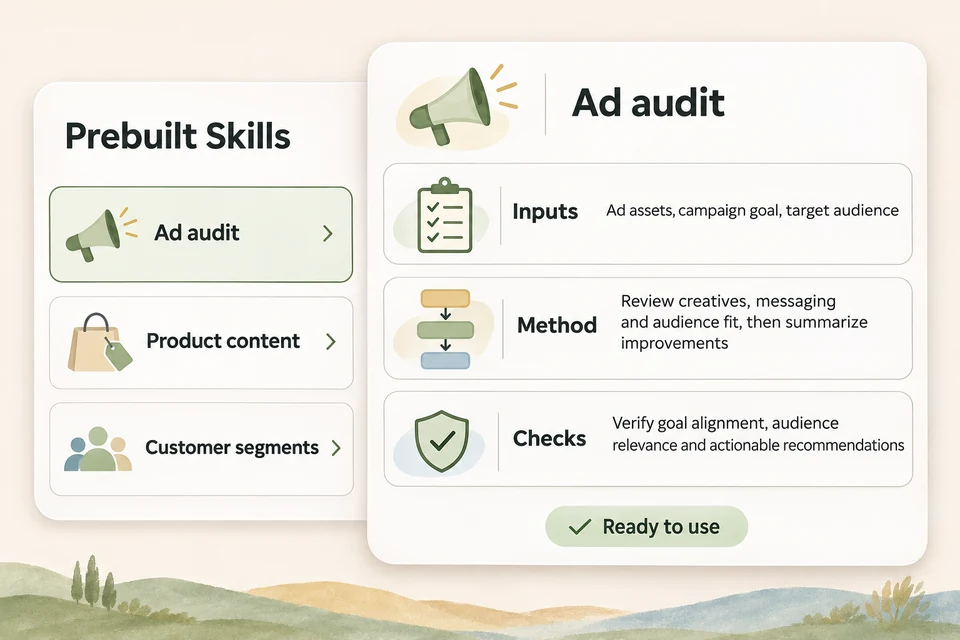
Product content, advertising reviews and customer analysis use reusable Skills with defined inputs and checks. An expert selects the relevant Skill and works with the authorized accounts. Custom Skills can add your own process, without requiring the team to build every operating method itself.

Prebuilt ecommerce Skills with inputs, methods and verification steps

03 · Application permissions

Scope actions to the right store and account.

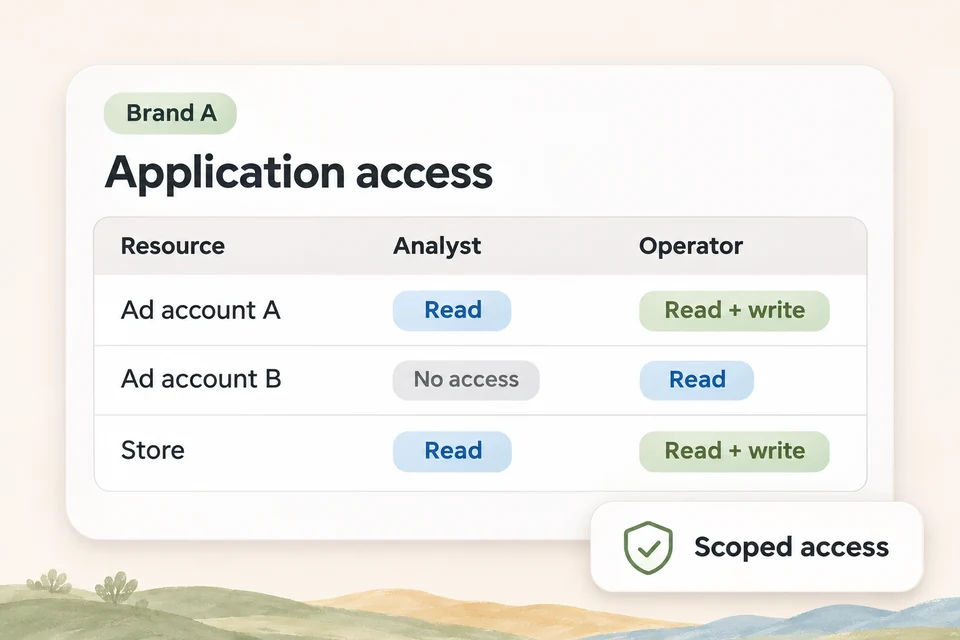
Business-group assignments determine which connections and supported resources belong to the work. Member grants then distinguish reading from taking action. Experts use that scope when accessing commerce tools, so the operating workflow is tied to business-account access rather than only to a development environment.

Member access to specific accounts: no access, read, or read and write

04 · Execution records

Inspect the actions behind an agent’s delivery.

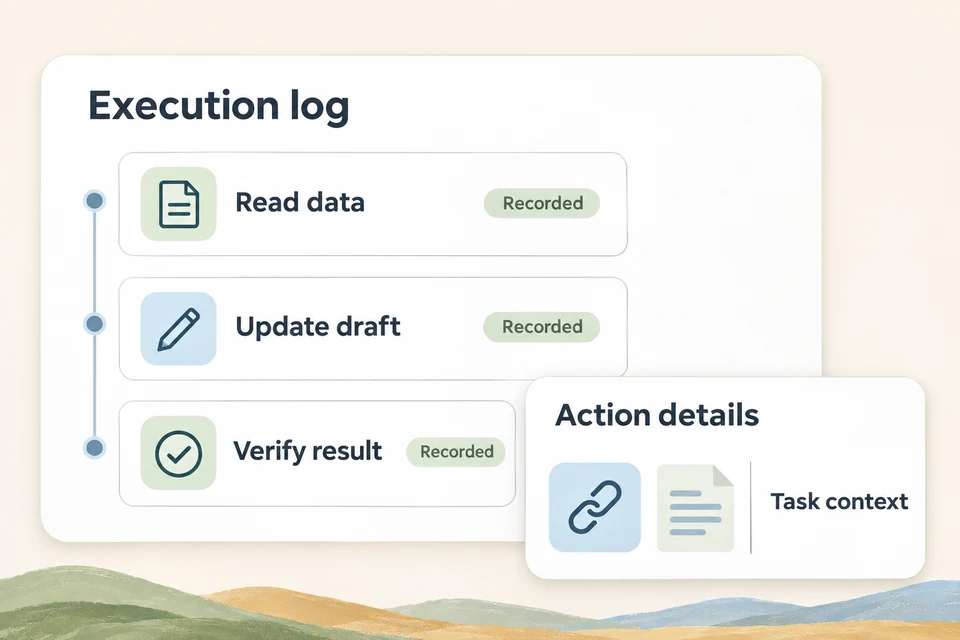
The execution record gives authorized reviewers an entry into the agent’s task. Open the context to inspect tool actions, returned results and any verification recorded there. This helps the team distinguish a prepared recommendation, an attempted update and a confirmed result when reviewing operating work.

Agent execution records link to task context, actions and returned results

Feature comparison: Bustly vs Codex

Bustly vs Codex
FeatureBustlyCodex
DTC expertsBustlyCustomer acquisition, product launch, customer retention and research experts with defined methods and delivery requirements.CodexA software engineering agent for implementation, review and development work.
Prebuilt SkillsBustlyPrepared ecommerce methods specify required inputs, working steps and checks; experts select them for the task.CodexSkills and repository instructions customize development and other workflows.
Application permissionsBustlyAssign connections and supported resources to business groups, then control each member’s read or action access.CodexTool, environment and approval controls; account access depends on connected services.
Execution recordsBustlyReview agent runs and open their task context to inspect actions and returned results.CodexTask activity, code diffs, commands and development verification.
Workspace permissionsBustlyManage members, roles and business groups, with separate controls for connections, shared Skills and audit access.CodexWorkspace administration and controls for Codex access and capabilities.
Market intelligenceBustlySet targets, supported sources and cadence; start collection and retain evidence, history and changes for analysis.CodexCustom research and automated workflows can be implemented with tools and code.
Shared team SkillsBustlySave team methods as workspace Skills for reuse, with a dedicated permission for managing the shared library.CodexReusable Skills and repository instructions shared through development workflows.
Primary working objectsBustlyProducts, stores, customers, advertising accounts and market evidence.CodexRepositories, code changes, tests and development environments.

Which fits the work you need done?

Choose Codex

Choose Codex when the main work is implementing, debugging, reviewing or maintaining software.

Choose Bustly

Choose Bustly when operators need ecommerce expertise and repeatable methods connected to their authorized business accounts.

Put AI experts to work on your business.

Start with a product, customer or market goal and the specialist methods behind it.